Trust Houston Collision Repair for expert auto body restoration
Experienced Collision Restoration Options to Restore Your Car's Structural Integrity
Quality accident restoration services play a critical role in returning a car's overall condition following an collision event. Veteran specialists examine harm meticulously, making sure protective mechanisms operate correctly. Engaging technical apparatus and superior supplies, they maintain adherence to manufacturer criteria to forestall subsequent problems. However, not all service centers supply the same grade of proficiency. Understanding key factors can make a significant difference in the final product. What factors should one consider when choosing a collision repair shop?
The Value of Collision Repair Services
When a vehicle sustains damage from a collision, the importance of accident restoration services becomes evident. These options serve a vital part in restoring a vehicle's safety and performance. Damage, whether structural or cosmetic, can compromise the car's integrity, creating hazards to the operator and passengers. Thorough restoration guarantees that all safety features, such as airbags and crumple zones, function as designed.
Additionally, prompt damage restoration can prevent further degradation of the car. Delaying repairs may result in rust, misalignment, or other issues that can increase repair costs and reduce the car's resale value. Furthermore, professional damage repair specialists utilize specialized tools and techniques to meet manufacturer requirements, ensuring that the car returns to its original condition. Overall, investing in professional collision repair not only improves safety but also maintains the car's durability and functionality, making it an crucial action after any collision.
The Case for Skilled Collision Repair Technicians
Proficient crash restoration technicians are critical for confirming that cars are brought back to their perfect shape after related content an mishap. Their expertise surpasses basic aesthetic repairs; they contain the knowledge to determine foundational harm and perform the necessary repairs to maintain safety and functionality. Versed in the cutting-edge tools and repair methods, these practitioners can accurately diagnose complex issues that may not be instantly noticeable.
Moreover, skilled technicians have direct connection with superior-quality components and resources that satisfy industry standards, guaranteeing longevity and reliability in repairs. Their knowledge with different car brands and types enables them to customize restoration for each circumstance, improving the vehicle's performance post-collision.
Furthermore, their abilities help maintain the vehicle's resale value, making expert collision repair an investment rather than just a necessity. In an industry where precision is pivotal, the role of expert collision repair technicians cannot be overstated.
What to Expect During Collision Repair
During crash repair, the first phase is a preliminary damage assessment to identify all damaged areas. After this evaluation, a comprehensive overview of the repair process is given to the vehicle proprietor. Understanding these stages assists set clear projections for the schedule and outcomes of the restoration.
Preliminary Damage Review
Evaluating the initial damage is an essential step in the collision repair process. This evaluation typically begins with a comprehensive visual inspection by qualified technicians, who examine the exterior and interior of the vehicle for apparent signs of impact. They assess areas such as the frame, body panels, and mechanical components to identify both obvious and hidden damage. Advanced diagnostic tools may be employed to further evaluate structural integrity and alignment issues. Photographs are often taken to document the condition of the vehicle before repairs commence. Following this assessment, technicians compile a detailed report outlining necessary repairs and associated costs. This extensive evaluation guarantees that the repair process is informed and efficient, setting the stage for restoring the vehicle's integrity.
Fix Workflow Outline
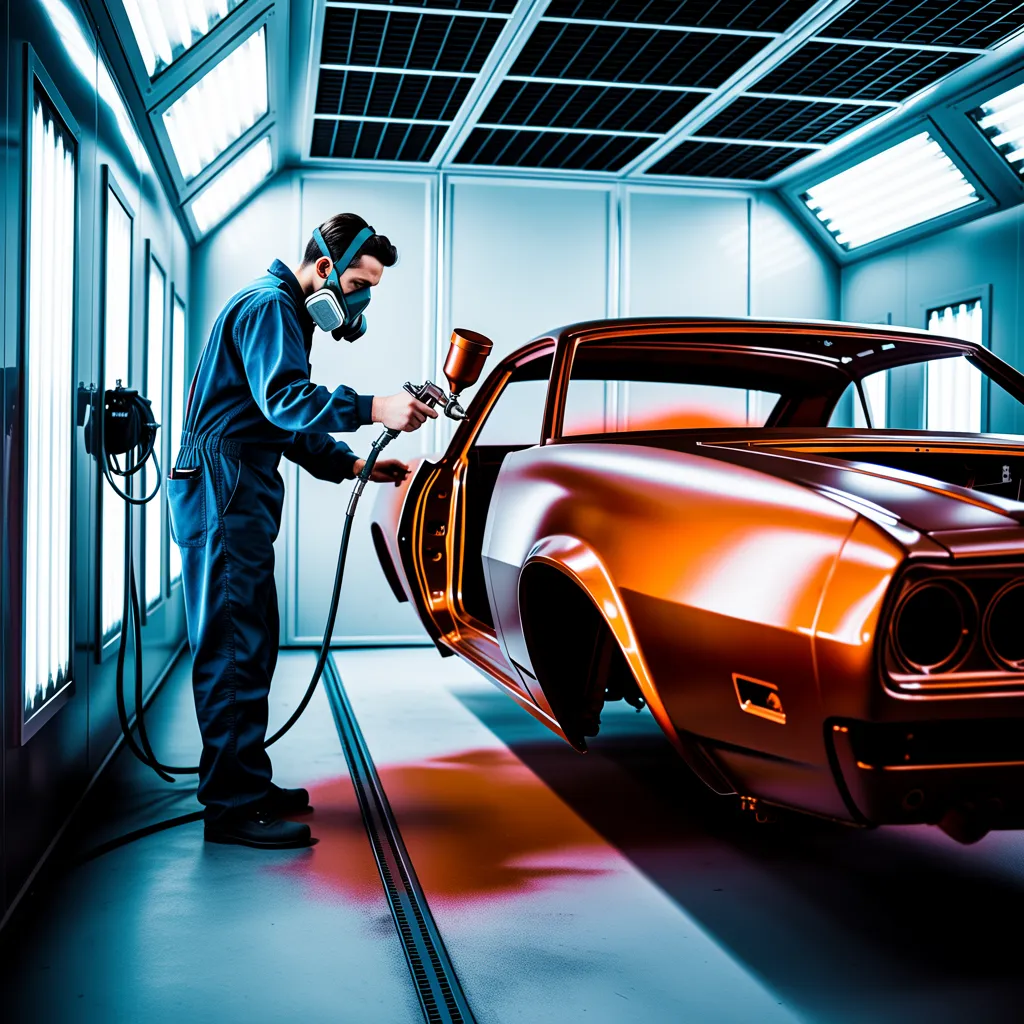
The collision repair process unfolds in several important phases, each designed to restore the vehicle to its original condition. First, technicians take apart damaged components to evaluate the extent of repairs needed. This is succeeded by frame repairs, where any bent frames or panels are realigned or substituted. Next, the vehicle receives bodywork, such as sanding, filling, and priming surfaces to ready for painting. Once the body is fixed, the painting process begins, guaranteeing color matching and a smooth finish. Lastly, technicians put back together the vehicle, replacing parts and conducting thorough quality inspections. Throughout this process, communication with the vehicle owner is kept up to provide updates and ensure satisfaction with the repairs. Ultimately, this systematic approach guarantees the vehicle's safety and integrity.
Essential Indicators Your Car Requires Collision Repair?
How can one recognize when a car requires immediate collision repair? Multiple important indicators indicate prompt care is necessary. First, visible damage such as dents, scratches, or damaged components may compromise the vehicle's frame stability. Additionally, abnormal sounds like squealing or clanking can indicate underlying issues. A misaligned steering wheel or trouble controlling the vehicle often suggests structural damage, necessitating immediate service.
Moreover, leaking fluids under the car may indicate serious problems with critical components, including brakes or transmission. Alert indicators on the control panel, particularly those concerning safety systems, should not be disregarded. Finally, if the automobile's performance has visibly worsened, it may be appropriate to schedule an inspection. Addressing these warning signs quickly can prevent further damage and ensure the vehicle stays roadworthy.
Selecting the Ideal Collision Restoration Shop for You
Identifying the necessity for collision repair is only the initial step; locating the suitable shop to address those issues is equally crucial. Prospective customers should begin their search by evaluating shops with established reputations, confirmed customer reviews, and proper certifications. Recommendations from friends or family can also deliver valuable insights.
Once a shortlist is developed, visiting the shops can help assess their professionalism and cleanliness. It is essential to ask regarding the types of repairs offered, the expertise of the repair specialists, and the warranties available. Transparency in pricing and a detailed estimate further indicate a reliable shop.
Additionally, validating relationships with major insurance companies can expedite the claims process. Ultimately, the best collision repair shop should not only maintain the vehicle's integrity but also establish trust through transparent dialogue and customer service. Making a thoughtful choice can greatly elevate the repair experience.
Suggestions for Preserving Your Vehicle After Repair
Caring for a vehicle after collision repair is essential for prolonging its longevity and performance. After receiving repairs, it is important to follow a scheduled maintenance plan, which includes oil changes, tire rotations, and brake inspections. This routine care helps protect the integrity of the repaired areas and ensures optimal functioning.
In addition, drivers ought to avoid severe driving situations right after repairs. Gentle driving enables the vehicle's components to adjust correctly and reduces the chance of additional harm. Routine washing and waxing also serve an important purpose in safeguarding the newly painted surfaces from environmental elements.
Finally, tracking the vehicle for any strange sounds or operational problems is critical. Quickly resolving any issues with a certified mechanic can stop minor problems from escalating. By adhering to these recommendations, vehicle owners can preserve the quality of their repairs and enhance the overall longevity of their vehicle.
Frequently Asked Topics
Does My Insurance Reimburse All Collision Repair Costs?
Protection pertaining to crash repair costs under your insurance depends on the policy and out-of-pocket amount. Usually, comprehensive and collision protection may pay for most expenses, but it's vital to examine the exact details and provisions contained in your insurance policy.
How long is required for a typical accident repair job?
A common collision repair could take anywhere from a few days to several weeks, depending on the amount of damage, the accessibility of parts, and the workload at the repair facility involved.
Can I Decide On My Own Repair Shop?
Yes, individuals can select their own repair shop for collision repairs. However, they should verify if their insurance policy permits this option, as some insurance companies may have preferred providers for cost efficiency and quality control.
What Protections Do We Offer on Collision Repairs?
Warranties for collision repairs typically vary among shops, generally including workmanship and parts for a specific duration. Customers should ask regarding specific warranty details to ensure adequate protection and peace of mind after repairs are completed.
Are courtesy vehicles offered during the repair timeline?
Accident repair facilities commonly offer rental cars during the repair process. This amenity generally is based on the insurance coverage and individual shop guidelines, making sure patrons have a way to get around while their automobile is being fixed.